


Understanding the Importance of Hail Inspections: Storm Damage Assessment Tips
Severe weather events, especially hailstorms, can cause significant damage to roofs, gutters, and other parts of a property. After a hailstorm, it is crucial to assess the damage promptly and accurately. This helps prevent further deterioration and ensures that necessary repairs are made in a timely manner. In this post, I will share practical storm damage assessment tips and explain why a thorough hail inspection is essential for protecting your property.
Why Timely Storm Damage Assessment Tips Matter
When hail hits, the damage may not always be immediately visible. Small dents or cracks can worsen over time, leading to leaks, mold growth, and structural issues. Conducting a timely storm damage assessment helps identify these problems early. This allows you to take action before minor damage turns into costly repairs.
For example, hail can cause granule loss on asphalt shingles, reducing their effectiveness and lifespan. If left unchecked, this can lead to water infiltration and damage to the underlying roof deck. Similarly, gutters can become dented or clogged with debris, affecting water drainage and potentially causing water damage to your home’s foundation.
By inspecting your property soon after a hailstorm, you can:
Detect hidden damage that may not be obvious from the ground
Document the extent of damage for insurance claims
Schedule repairs before problems escalate
Maintain the value and safety of your property

Essential Storm Damage Assessment Tips for Property Owners
Assessing hail damage requires a careful and systematic approach. Here are some practical tips to help you evaluate your property effectively:
Start with a visual inspection from the ground
Look for obvious signs such as dents on gutters, downspouts, vents, and siding. Check for missing or damaged shingles and any debris scattered around your yard.
Use binoculars for a closer look at the roof
If it is safe, use binoculars to examine the roof surface. Look for bruises, cracks, or granule loss on shingles. Pay attention to skylights, chimneys, and flashing areas.
Document all damage with photos and notes
Take clear photos of all affected areas. This documentation will be useful when filing insurance claims or discussing repairs with contractors.
Avoid walking on the roof unless you are experienced
Walking on a damaged roof can cause further harm or be dangerous. If you need a closer inspection, consider hiring a professional.
Check the interior for signs of leaks
Inspect your attic and ceilings for water stains, dampness, or mold growth. These can indicate roof damage that needs immediate attention.
Schedule a professional hail inspection
A certified inspector can provide a detailed assessment and identify damage that may be missed by an untrained eye. This step is critical for accurate repair estimates and insurance claims.
Following these tips will help you understand the condition of your property after a hailstorm and guide you in making informed decisions.
How much does a hail damage estimate cost?
Many homeowners and business owners wonder about the cost of getting a hail damage estimate. The good news is that most professional roofing and gutter companies offer free or low-cost inspections after a storm. This is because early detection benefits both the property owner and the service provider.
Here are some key points about the cost of hail damage estimates:
Free inspections are common: Many companies provide no-obligation inspections to assess damage and offer repair quotes.
Detailed reports may have a fee: If you require a comprehensive written report for insurance purposes, there might be a small charge.
Insurance companies often cover inspection costs: When filing a claim, your insurer may reimburse inspection fees as part of the claim process.
Repair costs vary widely: The estimate depends on the extent of damage, materials needed, and labor involved.
It is advisable to get multiple estimates to compare prices and services. Choosing a reputable local expert ensures you receive an accurate assessment and quality repairs.
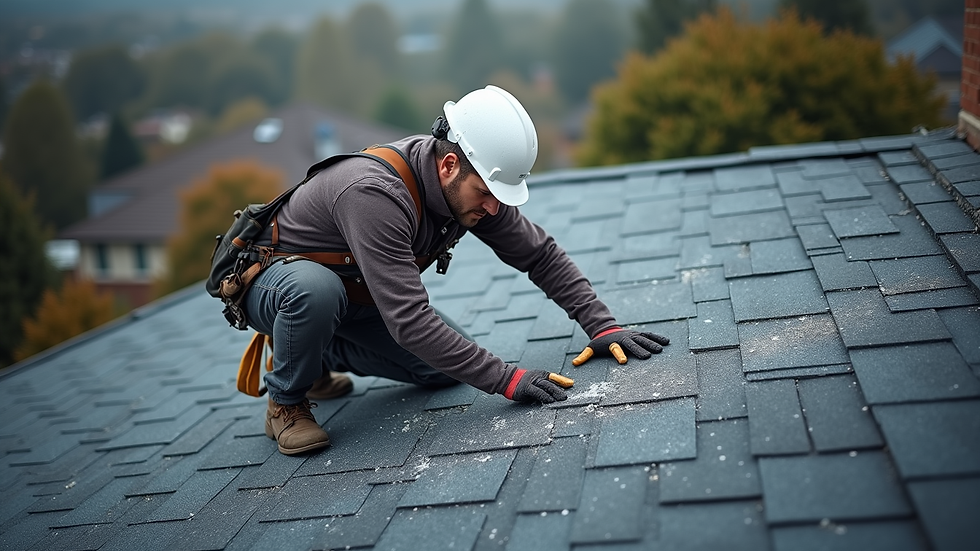
The Role of a Professional in Hail Damage Assessment
While you can perform an initial inspection yourself, a professional brings expertise and specialized tools to the process. Certified inspectors know what to look for and can identify subtle damage that may not be obvious.
Professionals use tools such as moisture meters, infrared cameras, and drones to conduct thorough inspections safely and efficiently. They also understand local building codes and insurance requirements, which helps streamline the claims process.
Hiring a professional for a hail inspection offers several advantages:
Accurate damage assessment and documentation
Expert advice on repair options and materials
Assistance with insurance claims and paperwork
Peace of mind knowing your property is properly evaluated
Investing in a professional inspection can save you money and stress in the long run by preventing overlooked damage and ensuring timely repairs.
Protecting Your Property After a Hailstorm
After completing a thorough storm damage assessment, the next step is to protect your property from further harm. Here are some actionable recommendations:
Schedule repairs promptly: Address damaged roofing, gutters, and siding as soon as possible to prevent leaks and structural issues.
Clear debris from gutters and downspouts: This ensures proper water drainage and reduces the risk of water damage.
Monitor your property regularly: Keep an eye on vulnerable areas, especially after heavy rain or wind.
Maintain your roof and gutters: Regular maintenance extends the life of your roofing system and helps identify potential problems early.
Keep detailed records: Save all inspection reports, repair invoices, and insurance correspondence for future reference.
By taking these steps, you can minimize the impact of hail damage and maintain the safety and value of your property.
Building Resilience Against Future Storms
Understanding the importance of hail inspections is part of a broader strategy to protect your property from severe weather. Investing in durable roofing materials, impact-resistant windows, and proper gutter systems can reduce damage in future storms.
Consider consulting with local experts who understand the specific weather patterns and risks in Central Texas. They can recommend solutions tailored to your property and budget.
Regular inspections and maintenance, combined with proactive upgrades, will help you build resilience and peace of mind.
Taking the time to conduct a thorough storm damage assessment and scheduling a professional hail inspection are essential steps in safeguarding your property. By following these storm damage assessment tips, you can detect damage early, navigate insurance claims effectively, and ensure your home or business remains protected against the challenges of severe weather.


Comments